Budgeting and Advantages: How to Manage the very best Memory Care
Business Name: BeeHive Homes of Arrowhead Assisted Living
Address: 17202 N 69th Ave, Glendale, AZ 85308
Phone: (602) 717-1864
BeeHive Homes of Arrowhead Assisted Living
BeeHive Homes of Arrowhead Assisted Living care is ideal for those who value their independence but require help with some of the activities of daily living. Residents enjoy 24-hour support, private bedrooms with baths, medication monitoring, home-cooked meals, housekeeping and laundry services, social activities and outings, and daily physical and mental exercise opportunities. We offer full memory care services that accommodate the growing number of seniors affected by memory loss and dementia. Beehive Homes offers respite (short-term) care for your loved one should the need arise. At the BeeHive Homes of Arrowhead Assisted Living, we strive to provide the best care for our residents while maintaining their dignity and respect.
17202 N 69th Ave, Glendale, AZ 85308
Business Hours
Families hardly ever prepare for memory care in a neat arc. Requirements shift, signs flare, and budget plans strain in ways that feel both immediate and open ended. I have sat at lots of kitchen tables doing the very same math with various households, trying to square safety, dignity, and dollars. The good news is that expenses are understandable, advantages are accessible with some groundwork, and there are ways to align care quality with a practical budget.
What drives the price of memory care
Memory care is specialized senior care developed for people living with Alzheimer's disease and other forms of dementia. It costs more than standard assisted living, primarily because of staffing ratios, security functions, training requirements, and structured programs. Nationally, a personal memory care home frequently runs between 6,000 and 8,500 dollars each month, with some markets as low as 4,500 and others above 12,000. The very same neighborhood might have really different rates for similar units due to the fact that rates is tied to the level of care.
Expect two parts to the costs. First, a base rent that covers the home, meals, activities, and basic support. Second, tiered care fees that reflect just how much hands-on aid is needed. Facilities normally evaluate levels on move-in and again as capabilities change. Each dive can include 500 to 2,500 dollars regular monthly. Medication management can be a different charge, often 300 to 800 dollars depending on the complexity and number of administrations. Care needs tend to increase with time, so a spending plan that operates in January might need modification by summer.
Regional incomes affect the rate. Neighborhoods in states with higher minimum earnings or unionized personnel normally charge more. Building design also matters. More recent store settings with small household designs feel homey and calm, however those additionals come with a premium. By contrast, bigger neighborhoods can spread expenses and may provide more flexible pricing or promotions.
What you are actually paying for
It helps to look beyond the monthly figure and break down the worth. Well run memory care provides 3 things that are difficult to reproduce in your home as dementia advances.
- Predictable safety. Safe boundaries, delayed egress, and staff trained to prevent exit seeking decrease threat of wandering and injury. The right environment also reduces medication usage by decreasing triggers for agitation.
- Care connection. A good team recognizes subtle changes in habits, hydration, or gait, then adjusts routines. Early modifications suggest less crises and unintended healthcare facility stays, which assists both health and budget.
- Meaningful days. Structured activity is not simply entertainment. Familiar tunes, handwork, and brief strolls can secure sleep and cravings, which in turn stabilizes general health. A stable day is less costly than a cycle of ER visits and overnight caregivers.
When a household compares the expense of memory care to at home assistance, the math should include indirect expenses. That suggests sleep for a partner, missed work days for adult kids, and the ripple effect of caregiver burnout. The cheapest intend on paper can be the costliest if it breaks a caregiver's health.
A fast vignette from practice
A retired instructor with moderate Alzheimer's disease lived at home with her husband, who was slimming down and sleeping in 2 hour stretches. They had a pension, Social Security, and modest savings. They tried weekday home take care of eight hours a day, which ran about 7,200 dollars monthly in their city. Nights and weekends still fell to him. After a hospitalization for dehydration, they moved to a memory care neighborhood with a base rent of 6,800, plus a midlevel care charge of 1,100 and 450 for medications. Their regular monthly expense was 8,350, which initially glimpse seemed higher. Three things altered the formula. He slept through the night, she stopped bouncing in and out of the health center, and he returned to part-time work he enjoyed. They also got approved for a veterans benefit as a making it through partner, which balance out 1,400 dollars each month. With great tuning and benefits, the memory care plan ended up being both much safer and more sustainable.
Map your spending plan before you tour
You will make better choices with a composed standard. Collect month-to-month earnings sources and fixed expenditures, then layer prospective care expenses on top. If you are helping a parent, file who pays what, due to the fact that uncertain roles cause friction later on. I frequently counsel families to prepare for a 24 to 36 month runway for private pay if Medicaid is part of the long game. Waitlists for Medicaid-willing memory care systems exist, and some communities require a minimum private pay period before transforming to Medicaid.
Keep in mind that costs typically increase 4 to 8 percent each year. If a neighborhood will top boosts for a time, or lock the base rate at move-in, that protection has real value.
Five numbers to gather before touring
- Monthly earnings from Social Security, pension, annuities, and dividends
- Liquid cost savings readily available without charges in the next 24 months
- Long-term care insurance day-to-day or month-to-month advantage, elimination period, and life time cap
- Current in-home care costs, consisting of nights and weekends if needed
- Outstanding financial obligations, plus real estate tax and insurance coverage if a home will be kept
Hidden charges and agreement fine print
Community costs are common, typically 2,000 to 7,500 dollars, and sometimes flexible or prorated. Ask whether that fee is refundable on a brief stay. Some places charge a move-in or evaluation cost of a couple of hundred dollars. There may likewise be charges for incontinence products, escorts to meals, or diabetic care. You want to know if the priced quote rate includes all day guidance, or if care beyond a set number of minutes daily activates à la carte billing.
Medication management is simple to gloss over throughout a tour, however pharmacy related costs accumulate. Will the neighborhood utilize your favored pharmacy, or are you needed to use theirs with a product packaging charge. Who spends for med modifications mid cycle. If insulin is involved, ask whether they charge per injection or senior living near me per day.
Contracts can consist of a 30 day notification stipulation, which impacts refunds if a medical facility stay leads to a fast shift to experienced nursing or hospice. Some neighborhoods charge a second individual fee if a partner lives in the same unit. If a couple prepares to remain together as one partner's dementia advances, design both situations on paper.
What Medicare will and will not cover
Medicare pays for healthcare, not room and board in memory care. It covers physician visits, laboratories, long lasting medical devices, and hospice. It can pay for as much as 100 days in an experienced nursing center after a qualifying medical facility stay, although couple of people utilize the full advantage. After that, it does not cover residential memory care.
Medicare Benefit strategies in some cases consist of supplemental advantages like short-term individual care, transport, or caretaker support services. These can minimize the load at home or during shifts, however they do not replace the monthly expense of dementia care in a residence. If somebody is qualified for hospice, the hospice group can bring nursing, assistants, and products into the memory care setting, which can decrease some add-on charges.
How Medicaid suits memory care
Medicaid is collectively moneyed by state and federal governments, and rules vary by state. Some states fund memory care in assisted living through Home and Neighborhood Based Provider waivers. Others do not, or they cap the number of slots. States that do cover it usually pay less than personal rates, so communities limit the variety of Medicaid beds or require a duration of personal pay first. This is why the 24 to 36 month runway matters.
Financial eligibility is stringent and includes a five year look-back for asset transfers. Gifting cash or offering properties below market value during that window can trigger a charge duration. Work with an elder law attorney for spend down techniques that comply with guidelines, such as acceptable home adjustments, oral work, hearing aids, or prepaid funeral plans. An appropriately drafted caregiver agreement can allow a parent to pay an adult kid for care in your home before a relocation, which can be part of a certified spend down.
If the individual with dementia is wed, defenses exist for the spouse at home. States permit a Neighborhood Spouse Resource Allowance and a Minimum Monthly Maintenance Needs Allowance so the well partner is not impoverished. The quantities change annually and vary by state, so confirm with your regional aging office or an elder law professional.
Veterans advantages that can bridge the gap
Veterans and surviving partners might get approved for a pension supplement called Help and Participation. It is not restricted to service-connected impairments. To qualify, the veteran must have served during a wartime period, fulfill property and income tests, and need help with daily activities or require a protective environment due to dementia.
Monthly advantage quantities change every year. As a rough guide, a single veteran might get around 2,000 to 2,300 dollars, a married veteran around 2,300 to 2,700, and a making it through partner around 1,200 to 1,500. These are estimate. The Department of Veterans Affairs sets official Maximum Yearly Pension Rates each year.
Two useful notes: first, medical costs lower countable income for eligibility, and memory care fees generally qualify. Second, the pension can take months to approve, but retroactive payments are common back to the application date. Families sometimes use savings for a couple of months, then fold in the retroactive deposit to reconstruct reserves.
Long-term care insurance coverage, translated in plain English
These policies assist most when you understand the levers. Triggers trigger benefits when the insured requirements help with a minimum of 2 activities of daily living or has a cognitive problems that requires substantial supervision. Memory care locals almost always satisfy the cognitive criterion once a doctor files it.
Elimination durations are waiting durations, often 30 to 90 days, before benefits pay. Some policies count calendar days, others only days when you get paid care. If it is the latter, a short-term plan that includes respite care nights or daily adult day participation can move you through the elimination period faster.
Daily or monthly caps matter. A 200 dollar each day cap is 6,000 dollars each month on a thirty days calendar, but some months have 31 days. Policies with month-to-month caps handle variable month lengths much better. Inflation riders help older policies equal today's costs. View lifetime maximums. If a policy has a 200,000 dollar life time swimming pool and you use 8,000 dollars monthly, the pool runs for about two years and one month.
Finally, compensation policies require proof of paid care and problem checks after the fact. Indemnity policies pay the full day-to-day advantage once you certify, regardless of the billing. That distinction identifies cash flow in the first months after a move.
Tax techniques that are often overlooked
If a physician certifies that a person with dementia requires considerable supervision and a plan of care exists, a lot of or all of memory care costs can qualify as medical expenditures. If you detail reductions, medical expenses above 7.5 percent of adjusted gross earnings can be deductible. Families frequently miss this because they assume space and board do not count. In memory care, they typically do, offered the main factor for house is medical.
Adult kids who provide over half of a parent's assistance might be able to claim the parent as a dependent, which can open other tax considerations. The Child and Dependent Care Credit can use to adult day services that permit a caretaker to work, though residential space and board is not qualified. Tax rules shift, so a short consult with a certified public accountant pays for itself.
Home equity, life insurance coverage, and other assets
A settled home is a significant tank of care dollars. Offering is straightforward, but not constantly the right call if a partner remains there. A reverse home loan provides regular monthly earnings or a credit line secured by the home. It can cover in-home dementia care or bridge several years of memory care without requiring an instant sale. Costs and interest are genuine costs, so model the numbers, including what takes place when the debtor moves completely to a facility.
Some life insurance policies can be transformed to pay for senior care. Accelerated survivor benefit or life settlements turn a policy's worth into month-to-month payments. These are specialized and typically expensive transactions. Constantly compare the net profits to simpler choices, and take care about tax results and Medicaid implications.
Annuities can turn a swelling sum into a foreseeable earnings stream. If using annuities as part of Medicaid preparation, structure matters. Deal with an expert who comprehends your state's rules so you do not unintentionally develop a countable asset.
Respite care and adult day programs as budget plan tools
Respite care is a brief stay in a memory care community, normally from a week to a month. It is useful when a caregiver requires surgical treatment, a break, or to check drive a community. The everyday rate is often higher than the pro rata monthly rate, but it consists of the same services. A well timed respite can avoid a crisis that would otherwise lead to a more expensive, hurried placement.
Adult day programs operate on weekdays, with some offering extended hours or weekends. Daily rates frequently range from 70 to 150 dollars, with transport in some areas. For early to mid phase dementia, adult day coupled with targeted home care can postpone a move by months or more. It keeps the individual engaged and gives caretakers trustworthy time for work or rest. When a move becomes required, the shift is calmer due to the fact that the individual is currently utilized to structured days and new faces.
Negotiating the right fit, not simply the best price
Rates are more versatile than they seem. Communities run promos when occupancy dips, specifically in bigger buildings with numerous areas. Inquire about move-in specials, waived neighborhood charges, or base rate locks. Timing matters. End of the month can be better, and late fall often brings incentives.
Here are settlement points that should have airtime during tours
- Will you waive or prorate the community cost, and is it refundable within 30 days
- Can you cap yearly boosts for the very first 2 years
- If the care level changes within 60 days, will you hold the initial level or adjust gradually
- Can we utilize our pharmacy, and will you match their packaging fee if you need bubble packs
- If we include hospice, which present care charges will decrease
A facility that avoids these concerns or buries answers in the contract is telling you something about future interactions.
Protect quality while seeing the bottom line
There are methods to manage expenses without damaging care. Smaller spaces lower lease, and lots of locals spend most of their time in communal areas anyhow. Shared suites can save 1,000 to 3,000 dollars monthly, however they work best for people who are sociable and not quickly distressed by another person's rhythms. If wandering or nighttime agitation is popular, a personal system might prevent disputes that cause add-on staffing fees.
Transportation charges build up when families count on the neighborhood for every single medical visit. Telehealth for routine consultations and bundling specialty visits on one day can trim expenses. On the medical side, periodic medication evaluations prevent polypharmacy, which helps both health and the monthly med management fee.
When home stays the best value
Home can be best for longer than people expect when three conditions hold. Initially, the physical environment is safe, with fall threats reduced, doors protected, and routines stabilized. Second, caregivers have dependable relief through respite care, adult day, or employed aid. Third, agitation, incontinence, or night roaming are workable without consistent conflict. The budget plan must consist of replacement labor for household care if that family member gets sick or needs to take a trip. I press families to price the real plan, not the idealized one.
One caution. When dementia progresses to behaviors that put others at danger, such as repeated range use, aggressive outbursts, or wandering toward traffic, the tipping point arrives quickly. A hurried relocation tends to be more pricey and less notified. Touring early, even if you do not sign, makes later on decisions calmer.
Build a basic capital plan
Turn the planning into a one page tool that you can upgrade every 6 months. List regular monthly income on one side and repaired care expenditures on the other. Keep in mind the date when a private policy starts paying, completion of any removal duration, and the status of benefit applications like Aid and Participation. Produce a column for expected annual increases. If cost savings are being drawn down, reveal the glide path month by month. This makes family discussions concrete and objective oriented.
If several siblings are included, settle on a single point individual for expenses and benefits. Too many hands result in missed out on deadlines and replicate payments. The same opts for documentation. Keep the power of lawyer, advance instruction, insurance coverage, and the latest care strategy in one shared folder, paper and digital.
Red flags that can cost you later
A bargain rate is not a bargain if turnover is consistent, company staffing is the norm, or nurses are thin on the ground. I take notice of the energy in the dining room, not simply the menu. Are people in fact eating, and does staff linger to assist. Try to find constant faces over numerous visits at various times of day. If sales guarantees do not match what you see at 7 p.m. On a Sunday, be careful.
Take a moment with the activity calendar. A full page means little if the room is peaceful. You want to see locals engaged in manner ins which match different phases of dementia care. That might indicate a small group folding laundry, two individuals singing with a staff member, and somebody else strolling a circuit with gentle cueing. Engagement decreases the need for costly one to one staffing.
The function of respite care in evaluating a community
If you are torn between 2 places, arrange a brief respite remain in your top option. Pay attention to how the group discovers your person. Do they ask about regimens, favorite foods, and triggers. How do they interact with you throughout the stay. If you entrust clear notes and a settled sensation, that deserves as much as a small cost distinction. If concerns go unanswered, reconsider.
Bringing all of it together
Affording high quality memory care is part arithmetic, part timing, and part advocacy. The math side gain from early, honest mathematics and from understanding how advantages like Medicaid waivers, veterans pensions, and long-term care insurance really work. The timing side favors households who tour before a crisis and who utilize respite care or adult day programs to bridge changes. The advocacy side shows up in concerns you ask throughout tours and in the contracts you negotiate.
When you do the work up front, you purchase options later on. Families who understand their numbers, line up advantages, and push for rate securities tend to keep care stable even as needs grow. That steadiness is what matters. Memory care succeeded is not just a place. It is an orderly method to cope with dementia that keeps a person safe, recognized, and engaged, while keeping the family's finances undamaged for the long haul.
BeeHive Homes of Arrowhead Assisted Living provides assisted living care
BeeHive Homes of Arrowhead Assisted Living provides memory care services
BeeHive Homes of Arrowhead Assisted Living provides respite care services
BeeHive Homes of Arrowhead Assisted Living supports assistance with bathing and grooming
BeeHive Homes of Arrowhead Assisted Living offers private bedrooms with private bathrooms
BeeHive Homes of Arrowhead Assisted Living provides medication monitoring and documentation
BeeHive Homes of Arrowhead Assisted Living serves dietitian-approved meals
BeeHive Homes of Arrowhead Assisted Living provides housekeeping services
BeeHive Homes of Arrowhead Assisted Living provides laundry services
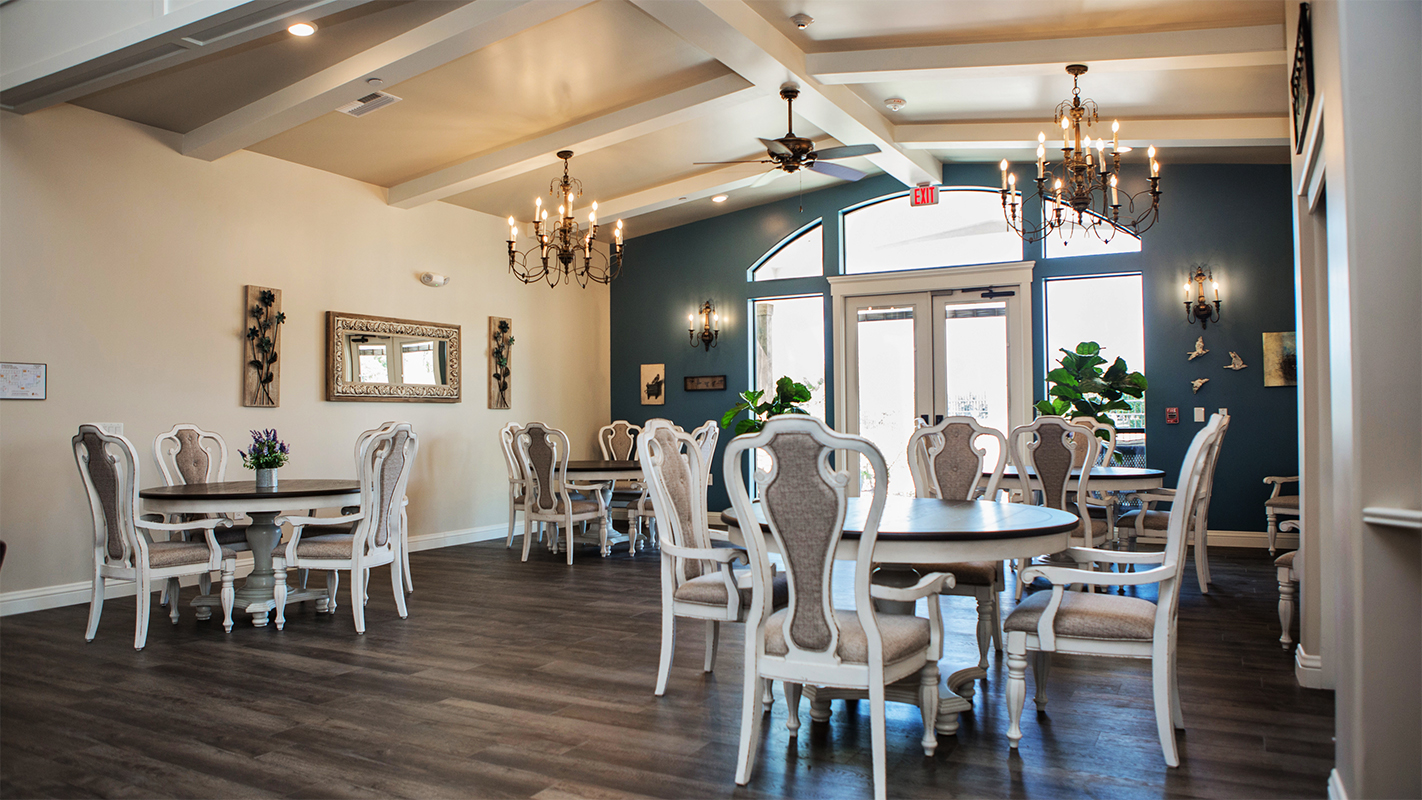
BeeHive Homes of Arrowhead Assisted Living offers community dining and social engagement activities
BeeHive Homes of Arrowhead Assisted Living features life enrichment activities
BeeHive Homes of Arrowhead Assisted Living supports personal care assistance during meals and daily routines
BeeHive Homes of Arrowhead Assisted Living promotes frequent physical and mental exercise opportunities
BeeHive Homes of Arrowhead Assisted Living provides a home-like residential environment
BeeHive Homes of Arrowhead Assisted Living creates customized care plans as residents’ needs change
BeeHive Homes of Arrowhead Assisted Living assesses individual resident care needs
BeeHive Homes of Arrowhead Assisted Living accepts private pay and long-term care insurance
BeeHive Homes of Arrowhead Assisted Living assists qualified veterans with Aid and Attendance benefits
BeeHive Homes of Arrowhead Assisted Living encourages meaningful resident-to-staff relationships
BeeHive Homes of Arrowhead Assisted Living delivers compassionate, attentive senior care focused on dignity and comfort
BeeHive Homes of Arrowhead Assisted Living has a phone number of (602) 717-1864
BeeHive Homes of Arrowhead Assisted Living has an address of 17202 N 69th Ave, Glendale, AZ 85308
BeeHive Homes of Arrowhead Assisted Living has a website https://beehivehomes.com/locations/arrowhead
BeeHive Homes of Arrowhead Assisted Living has Google Maps listing https://maps.app.goo.gl/D7JvVkn2P8RDaFQS7
BeeHive Homes of Arrowhead Assisted Living has Facebook page https://www.facebook.com/BeeHiveArrowhead
BeeHive Homes of Arrowhead Assisted Living won Top Assisted Living Homes 2025
BeeHive Homes of Arrowhead Assisted Living earned Best Customer Service Award 2024
BeeHive Homes of Arrowhead Assisted Living placed 1st for New Mexico Senior Living Communities 2025
People Also Ask about BeeHive Homes of Arrowhead Assisted Living
What is BeeHive Homes of Arrowhead Assisted Living Living monthly room rate?
Our monthly rate is based on an individual care assessment that determines the level of support your loved one needs. We use an all-inclusive pricing model, which means no hidden costs, no surprise fees, and no confusing tier add-ons. Contact us to schedule a complimentary assessment and personalized quote
Can residents stay in BeeHive Homes of Arrowhead Assisted Living until the end of their life?
In most cases, yes. We are committed to caring for our residents through their journey. Exceptions may arise if a resident requires 24-hour skilled nursing services or presents safety concerns that exceed what our home can accommodate. We work closely with families and healthcare providers to ensure smooth, compassionate transitions whenever they are needed
Do we have a nurse on staff?
Our home has a consulting nurse available 24/7. If nursing services are needed, a physician can order home health care to be provided directly in the home. Our trained caregiving staff is on-site around the clock for daily support, medication management, and emergency response
What are BeeHive Homes of Arrowhead Assisted Living's visiting hours?
We welcome family visits and work to accommodate schedules flexibly. We simply ask that visits happen at reasonable hours so our residents can maintain healthy daily routines. We believe family connection is essential, and we never want policies to get in the way of that
Do we have couple’s rooms available?
Yes. We have rooms designed for couples who want to stay together. Availability varies, so we encourage you to ask early during the tour and assessment process
Where is BeeHive Homes of Arrowhead Assisted Living located?
BeeHive Homes of Arrowhead Assisted Living is conveniently located at 17202 N 69th Ave, Glendale, AZ 85308. You can easily find directions on Google Maps or call at (602) 717-1864 Monday through Sunday 7:00am to 7:00pm
How can I contact BeeHive Homes of Arrowhead Assisted Living?
You can contact BeeHive Homes of Arrowhead Assisted Living by phone at: (602) 717-1864, visit their website at https://beehivehomes.com/locations/arrowhead or connect on social media via Facebook
Take a drive to Babbo Italian Eatery. Babbo Italian Eatery offers familiar comfort food suitable for assisted living and elderly care residents during senior care and respite care dining outings.